
🔬
Ge and Xiong labs: watching the brain as a mouse explores
A mouse explores while a head-mounted microscope records blood flow in its hippocampus, a look at how the Ge and Xiong labs study newborn neurons.
Real Stony Brook research powered by RCI, from brain metabolism and dying stars to autonomous-vehicle AI and award-winning high-school science.
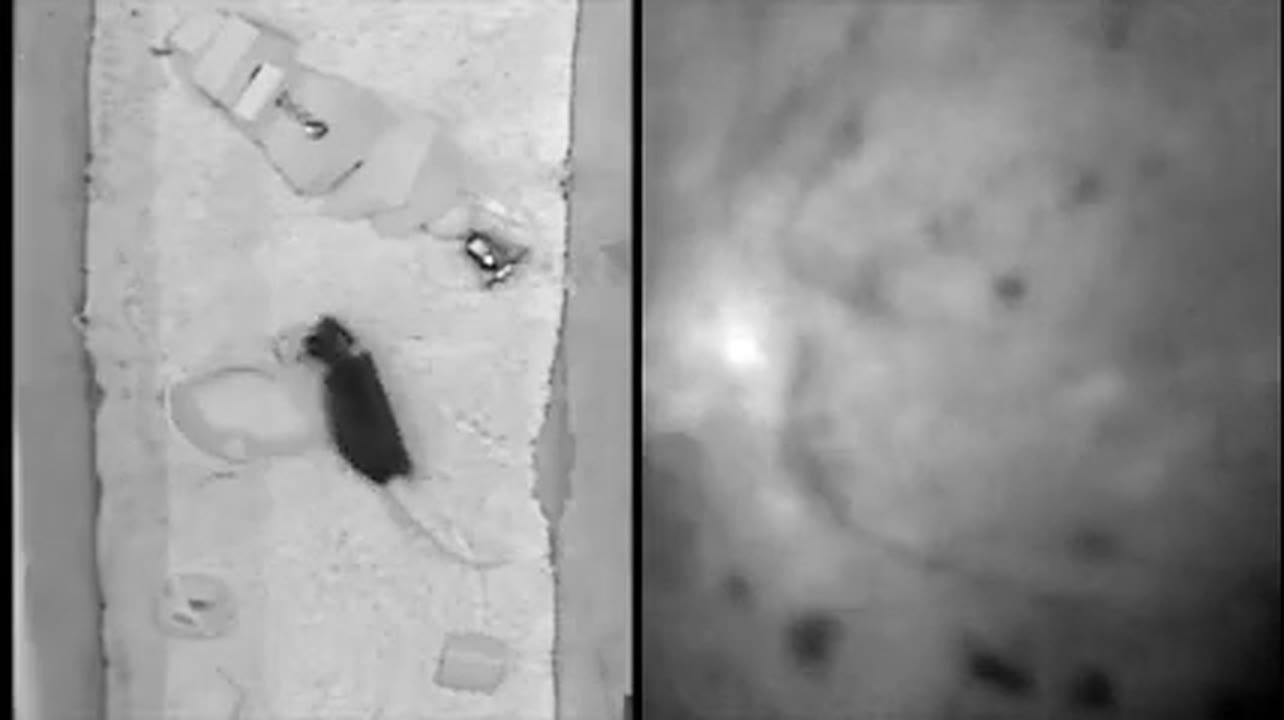
A mouse explores while a head-mounted microscope records blood flow in its hippocampus, a look at how the Ge and Xiong labs study newborn neurons.
Shaoyu Ge & Qiaojie Xiong labs, Neurobiology and Behavior
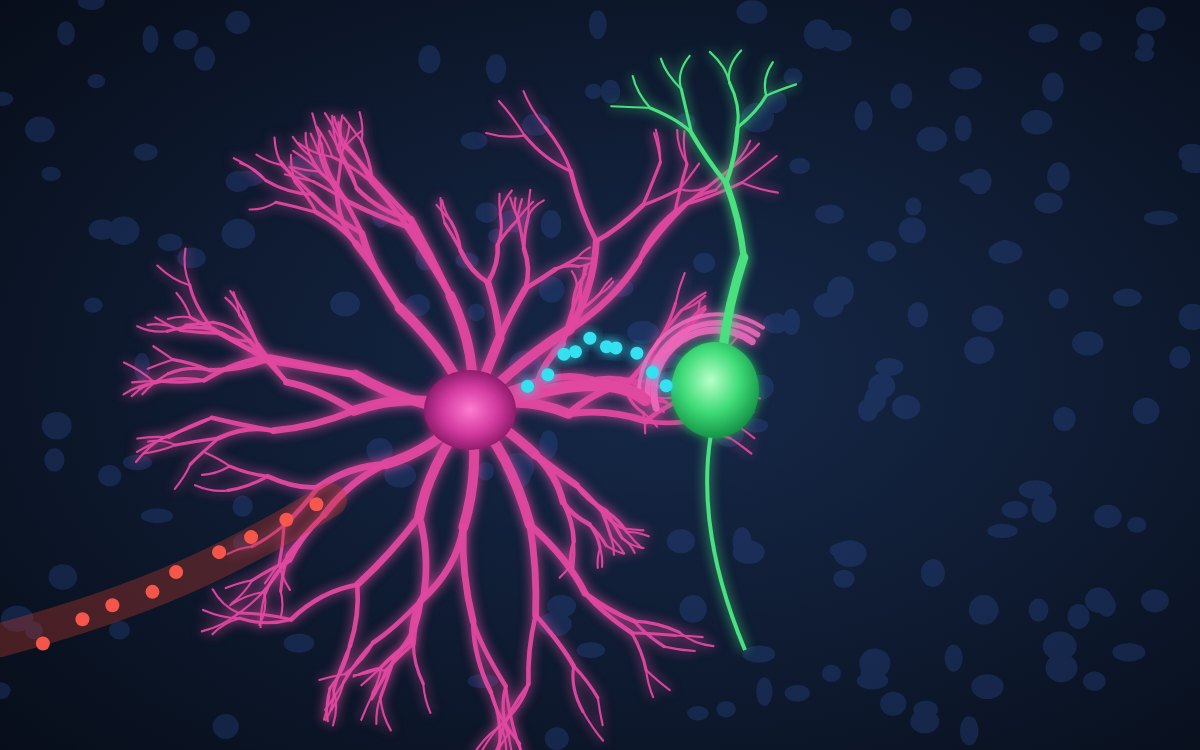
Astrocytes feed newborn neurons lactate, and Box keeps the imaging data behind that discovery organized and shared.
Shaoyu Ge & Qiaojie Xiong labs, Neurobiology and Behavior
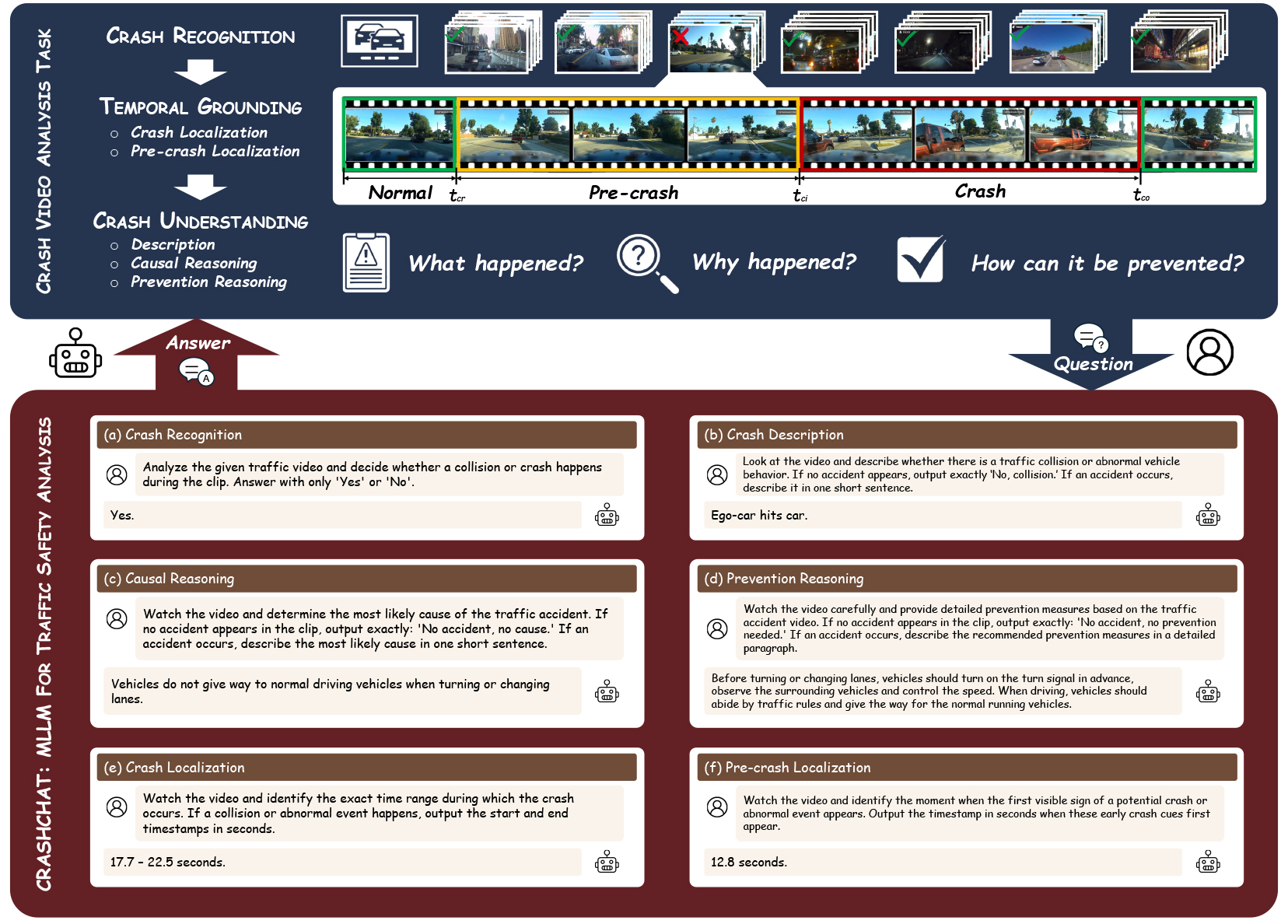
Two complementary AI systems, one that understands crashes and one that generates them, trained on Stony Brook HPC.
Dr. Ruwen Qin, Kaidi Liang, Ke Li, Xianbiao Hu, Debojyoti Biswas & Yuxin Ding
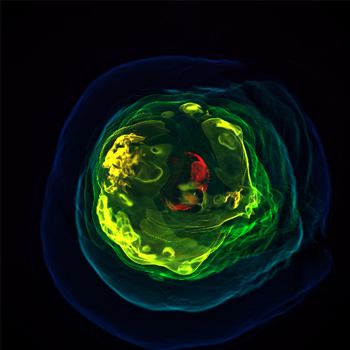
From a white dwarf's quiet years to its fiery demise: 100 billion variables per timestep, evolved on SeaWulf.
Josh Martin, Ph.D. student, IACS
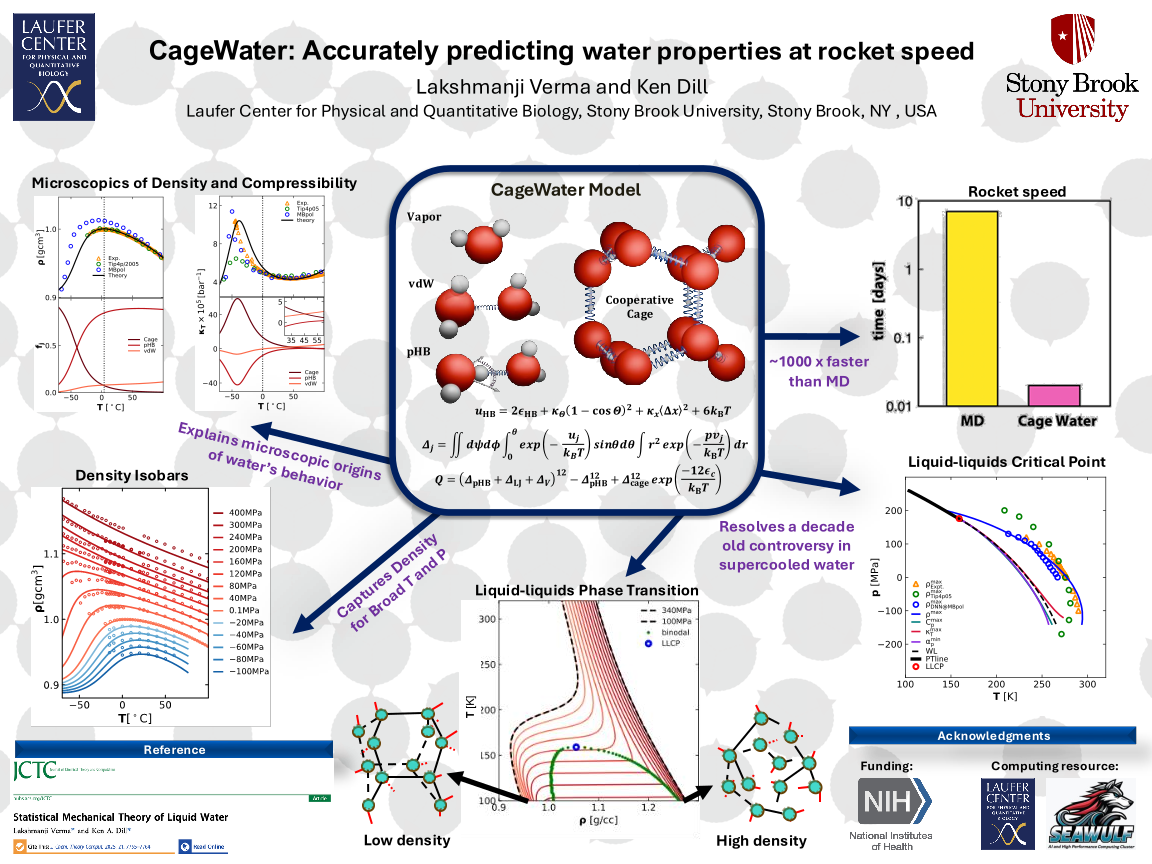
A fully analytical model computes water's properties ~1,000× faster than explicit simulation, calibrated on SeaWulf.
Lakshmanji Verma & Ken Dill, Laufer Center for Physical and Quantitative Biology
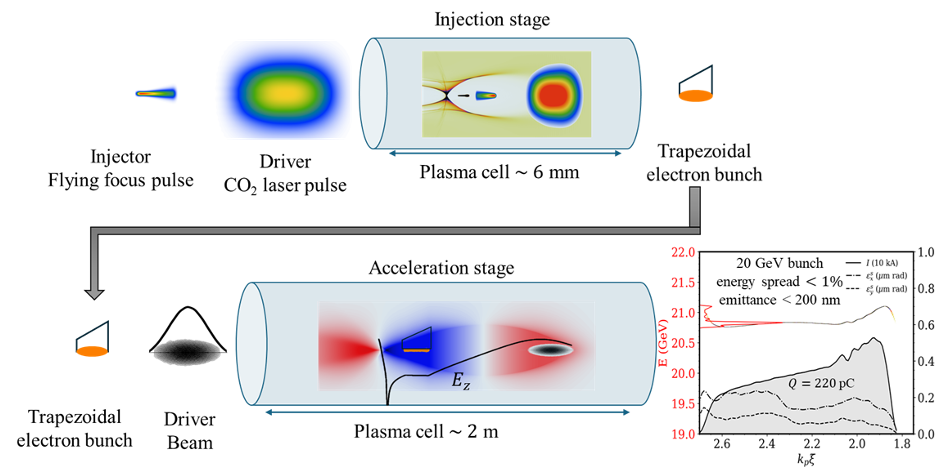
The only plasma-based method that currently meets the particle-physics community's targets for future colliders.
Prof. Navid Vafaei-Najafabadi's group + LLE Rochester, BNL, UCLA & UT Austin
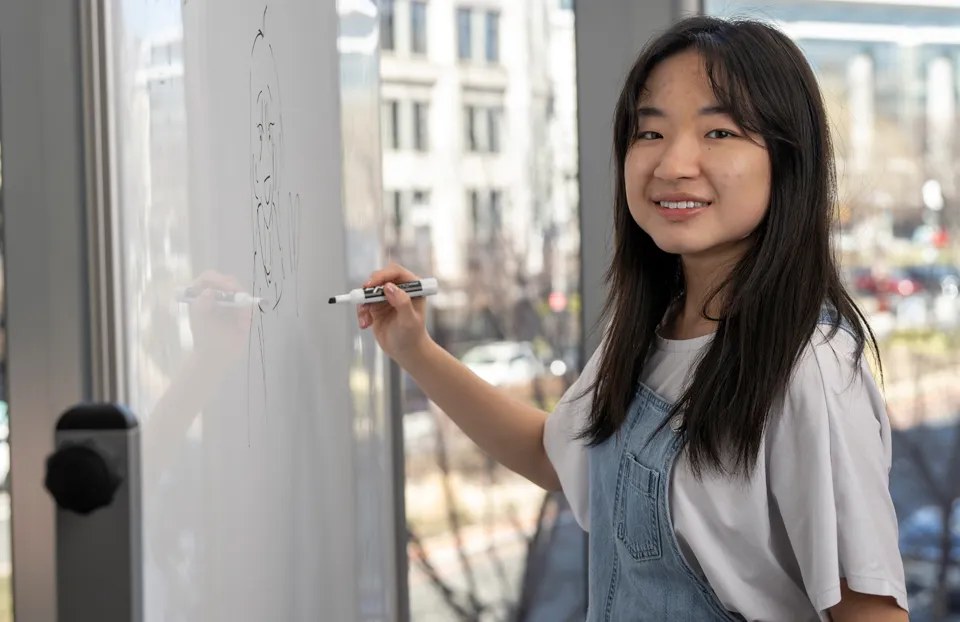
A Garden City High School student took a 1st place Grand Award in Biochemistry at Regeneron ISEF, with SeaWulf behind the science.
Amy Xiao (Garden City HS) & Dr. Meredith Foley
Your research here
We love telling the story behind the science. Share a recent paper, poster, or award that relied on RCI resources and we may feature it here.
A mouse explores while a head-mounted microscope records blood flow in its hippocampus, a look at how the Ge and Xiong labs study newborn neurons.
How the Ge and Xiong labs use Box to keep a data-heavy neuroscience project moving.
Two complementary AI systems, one that understands crashes, one that generates them, trained on Stony Brook HPC.
From a white dwarf's quiet years to its fiery demise: 100 billion variables per timestep, evolved on SeaWulf.
A fully analytical model computes water's properties ~1,000× faster than explicit simulation, calibrated on SeaWulf.
The only plasma-based method that currently meets the particle-physics community's targets for future colliders.
A Garden City High School student took a 1st place Grand Award in Biochemistry at Regeneron ISEF, with SeaWulf behind the science.