In 30 seconds
Why watch a brain while a mouse explores?
The Ge and Xiong labs study how new neurons in the adult hippocampus survive and join existing circuits. Exploring a new environment helps those neurons survive, so the labs record what happens in the brain while it happens: blood flow, glucose and lactate, measured in mice that are free to move and explore.
Their latest paper in Neuron shows that during exploration, astrocytes near newborn neurons quickly burn glucose and make lactate, and the young neurons depend on that lactate to survive. Every one of these recording sessions produces video, imaging and analysis files, which the labs now store, share and keep together in Box instead of on portable hard drives.
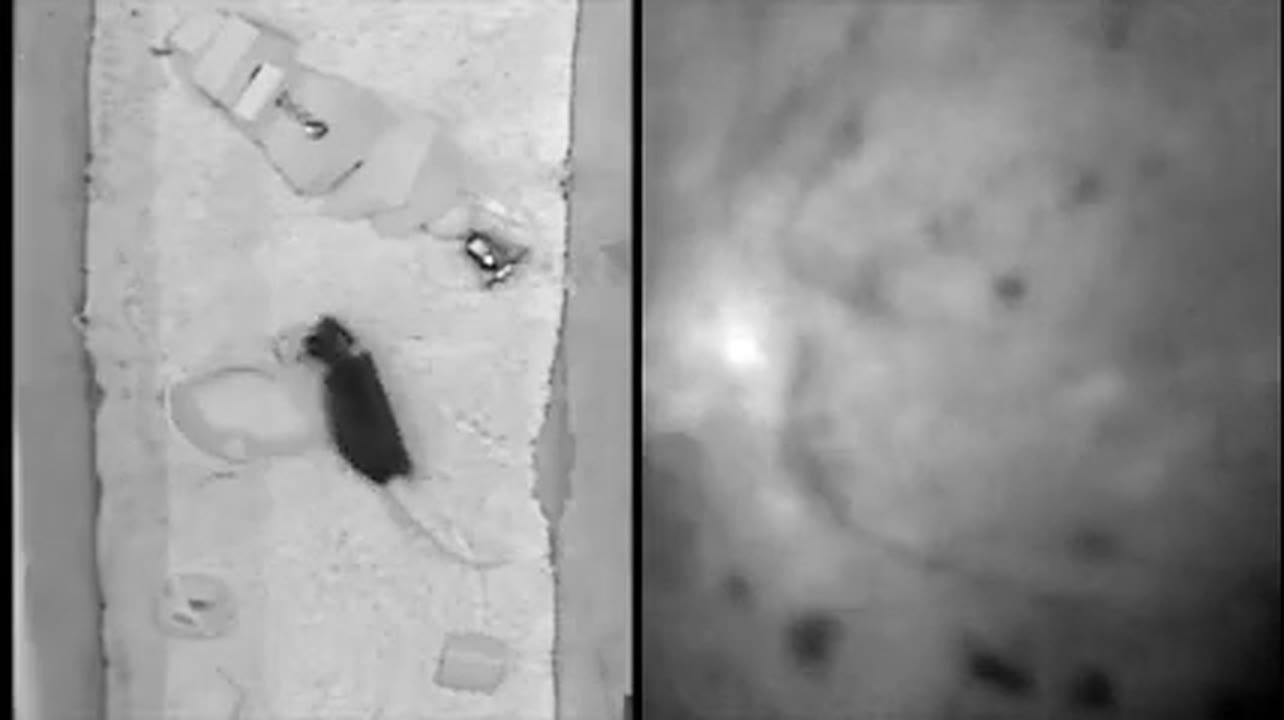
Video description The clip has no sound
The screen is split in two. On the left, filmed from above, a small dark mouse wearing a thin cable moves around a light-colored arena containing several objects, stopping to sniff and investigate. On the right, a grayscale view from a miniature microscope shows a patch of brain tissue in the hippocampus with darker blood vessels crossing it. Brighter patches appear and shift across the field of view as the mouse explores. The clip runs 17 seconds and loops.
The key finding
Newborn neurons can't keep up with the energy demands of exploration on their own. Nearby astrocytes turn glucose into lactate and pass it along.
When the researchers blocked that supply, exploration no longer boosted how many new neurons survived.
Wang et al., Neuron, 2026. Read the paper ↗
What made it possible
Services used in this project
Keep exploring
From Brain Metabolism to Better Data Management
HPC-Powered AI for Autonomous Vehicle Safety
Simulating Supernovae on SeaWulf
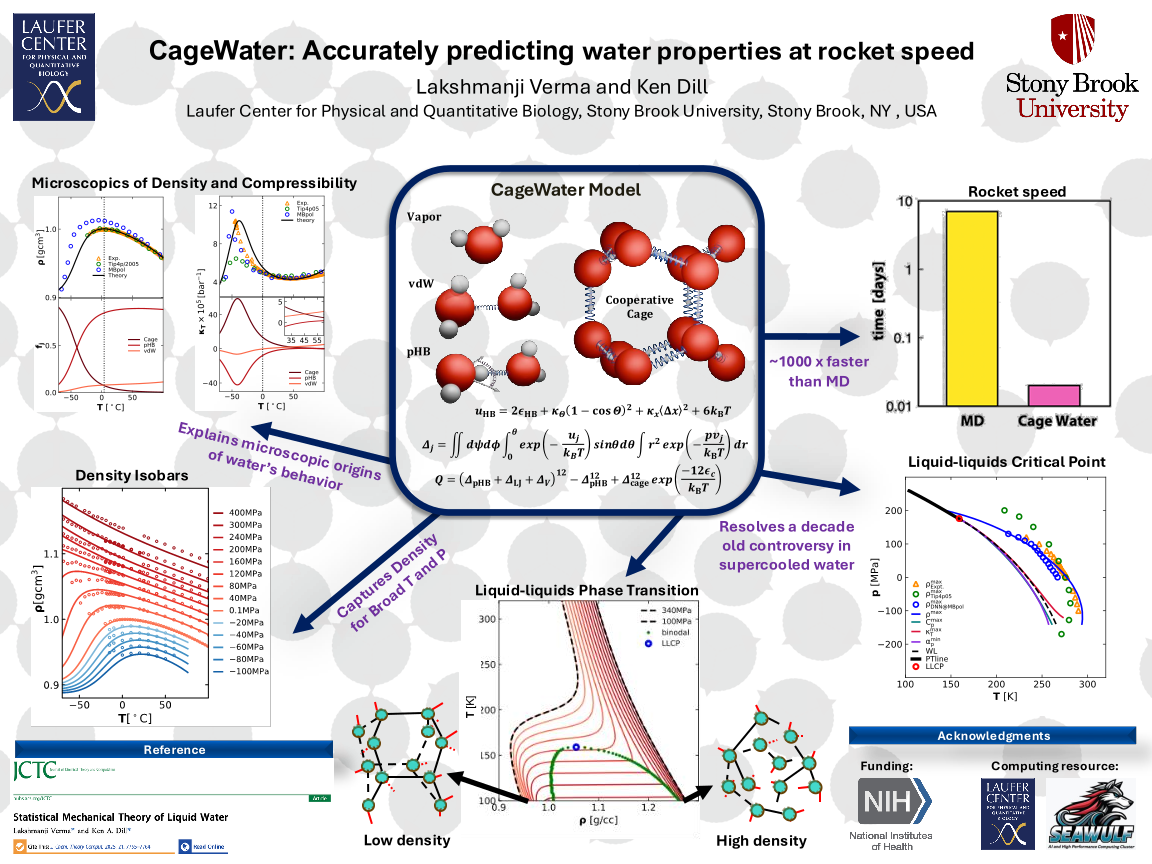
CageWater: Predicting Water Properties at Rocket Speed
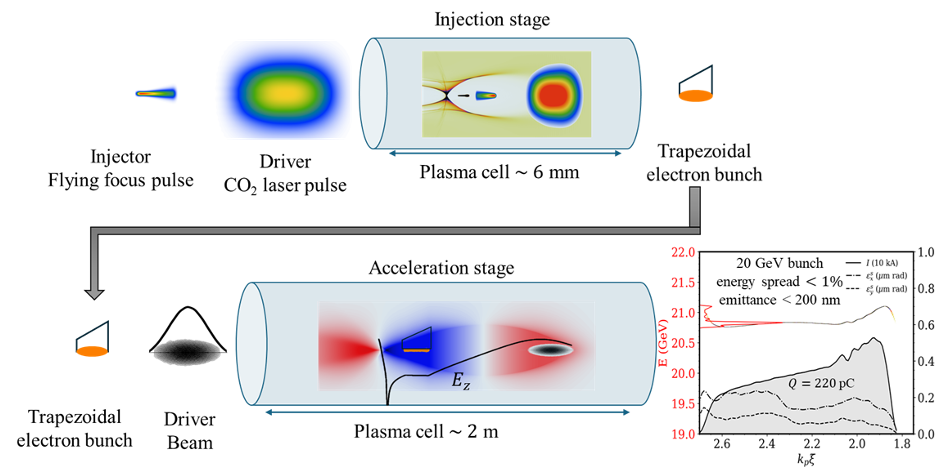
Flying Focus Plasma Photoinjector